
Strategies, Business Models and Methods for Consulting Firms in a Complex Global Landscape (2018-2024)
Summary:
Across the globe, individual to a set of consulting people are competently performing with many flavour of varieties of SME businesses to a large-scale business where these consultants provide apt solutions. In the current context all these businesses consulting industry thrive on providing solutions in an ever- changing and dynamic business environment. However, the current global landscape presents a unique set of challenges marked by technological disruption, digital transformation, geopolitical uncertainty, and shifting client needs. With this article, the attempt is to explore these complexities and making an effort to provide an insight for successful strategies and business models for consulting firms to navigate this landscape while giving a few indications from the research articles ranging the year 2018 to 2024, considering significant global situations.
Similarly, the business landscape in Lagos State, Nigeria, is rapidly evolving, presenting both challenges and opportunities where every aspirant entrepreneur needs to relook and review a few specific to critical issues in achieving milestones planned for his / her business. All consulting firms play a critical role in helping businesses to navigate efficiently during such a dynamic environment, which not only inspires an entrepreneur to plunge in by taking risk and opportunity but also must know the numbers to work on within a stipulated time, else it’s difficult to survive and care for the investments made. By understanding these strategies and models, consulting firms can optimize their operations and better serve the unique needs of businesses across the Lagos State, Nigeria.
Keywords: Consulting Firms, Business Models, Digital Transformation, Geopolitical Uncertainty, Client Needs, Specialization, Agility.
Introduction
The consulting industry has always adapted to evolving business environments. However, the current global landscape presents a unique set of challenges that demand innovative strategies and business models for consulting firms to remain successful. Through this article, you may explore further these challenges and proposals / solutions by a probable usage of very recent research-based ideology from the year 2018 to 2024.
The Lagos State is a commercial hub in West Africa, attracting businesses from various sectors. However, this dynamic environment presents challenges for both established and emerging firms. Consulting firms offer valuable expertise, assisting businesses in areas like strategy development, process improvement, and change management (Dughguh et al., 2018). To thrive in this competitive market, Lagos-based consulting firms require well-defined strategies and effective business models.
The Evolving Landscape: Challenges and Complexities
Technological Disruption: Different industries are getting transformed due to the rapid advancements in automation, artificial intelligence (AI), and big data analytics (McKinsey Global Institute, 2020). Consulting firms need to adapt by offering expertise in these areas, helping clients integrate them into their strategies (e.g., integrating AI into talent management processes).
Geopolitical Uncertainty: Global opportunities often build the trade tensions, political instability, and global events like pandemics, further create an unpredictable business environment. In such events, the consulting firms can add value by offering risk management services and scenario planning expertise (Aon Global Risk Management Survey, 2023).
Shifting Client Needs: The risk bearing businesses most of the time being the clients are demanding more value and impact from their consulting engagements, often seeking fixed fees and transparent deliverables, moving away from traditional billable hour models (Consultancy.uk, Five major challenges facing the global consulting industry, 2022).
Strategies for Success in a Complex Landscape
Specialization and Deep Expertise: Consulting firms are increasingly focusing on niche areas, developing deep expertise in specific industries, business functions, or technologies. This allows them to provide highly tailored solutions and command premium fees (Bain & Company, The McKinsey Advantage: Notes on the World’s Most Influential Consulting Firm, 2021). Focusing on a specific industry or niche allows for deeper understanding of client challenges and development of targeted solutions (Akintoye et al., 2022). This approach can be particularly impactful in Lagos, with its diverse range of businesses (Oni et al., 2023).
Local Market Expertise: Expertise of the local area / market coverage is the most essential ideology for any of the new entrepreneurial services in the consulting business , wherein , “Building a strong understanding of the specific regulatory environment, cultural nuances”, and business practices in Lagos allows consultants to tailor their advice and solutions more effectively (Durojaiye, 2018).
Value-Added Services: Offering services beyond traditional consulting, such as implementation support or interim management, can create additional value for clients and differentiate the firm (Akintoye et al., 2022).
Digital Transformation Consulting: As digital disruption continues, consulting firms offering expertise in digital strategy, process automation, and data analytics are in high demand (McKinsey Global Institute, 2020).
Technology Integration: Leveraging technology to streamline processes, enhance data analysis, and improve client communication can lead to increased efficiency and effectiveness (Adegbite et al., 2020).
Focus on Agility and Flexibility: The current environment requires adaptability. Consulting firms need to offer flexible engagement models, cater to shorter project timelines, and be prepared to adjust their approaches based on evolving client needs (Project Management Institute, Pulse of the Profession, 2023).
Building Alliances and Ecosystems: Partnerships with technology companies, universities, and other consulting firms allow for broader expertise and access to resources, enabling firms to offer comprehensive solutions (Strategy & Business, Partnering for Advantage: How to Build and Sustain Winning Business Relationships, 2022).
Regional Considerations
- North America: Large firms like McKinsey & Company and Boston Consulting Group focus on digital transformation and AI solutions (McKinsey Global Institute, 2020).
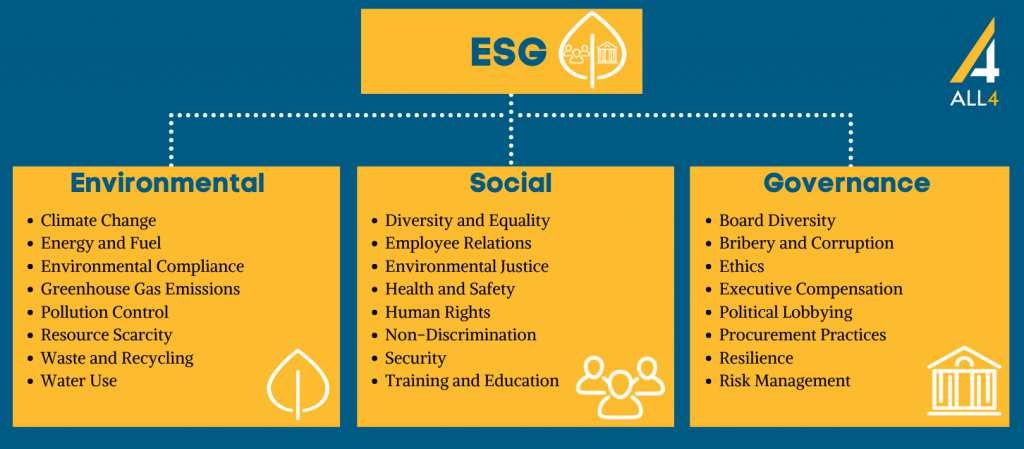
- Europe: European firms see growth in sustainability consulting due to a focus on ESG issues (PwC Europe, ESG Issues Monitor, 2024). ESG = Environment, Social and Governance.
- Asia Pacific: Consulting firms see growth in supply chain optimization and risk management services (Kearney Asia Pacific Business Monitor, 2023).
Additional Considerations:
Building a Strong Network: Developing relationships with key stakeholders in Lagos, including industry leaders, government officials, and potential clients, can generate business opportunities and enhance the firm’s reputation (Akintoye et al., 2022).
Talent Acquisition and Development: Investing in attracting and retaining highly skilled consultants with diverse expertise is crucial for the firm’s long-term success (Durojaiye, 2018).
Effective Business Models:
Value-Based Pricing: Charging fees based on the expected value delivered to the client, such as increased revenue or cost savings, incentivizes consultants to achieve impactful results while aligning their interests with the client’s (Akintoye et al., 2022).
Hybrid Model: Combining elements of hourly billing, project-based fees, and retainers can offer flexibility and cater to diverse client needs (Akintoye et al., 2022). For example, hourly billing might be suitable for short-term engagements, while retainers can be beneficial for long-term strategic partnerships.
Performance-Based Incentives: Offering consultants performance-based bonuses tied to client satisfaction or project outcomes can motivate them to deliver exceptional results (Durojaiye, 2018).
Consulting firms in Lagos operate under various business models, each impacting their service offerings and fee structures (Akintoye et al., 2022). Here are some prominent models:
Hourly Billing: Firms charge a fixed hourly rate for consultants’ time spent on a project. This model is suitable for short-term, well-defined engagements. (Akintoye et al., 2022)
Project-Based Pricing: A fixed fee is established for the entire project scope. This model offers predictability for clients but requires careful project scoping. (Akintoye et al., 2022)
Retainer Model: Clients pay a monthly retainer fee for ongoing access to consultants’ expertise. This model is ideal for long-term strategic partnerships. (Akintoye et al., 2022)
Consulting Methods:
Consulting firms employ various methods to address client needs. Understanding these methods empowers business leaders to select a firm that aligns with their specific goals (Oni et al., 2023). Here are some common methods:
Problem-Solving: Consultants analyze client challenges, identify root causes, and propose solutions. (Oni et al., 2023)
Process Improvement: Consultants review existing processes, identify inefficiencies, and recommend optimizations for enhanced performance. (Oni et al., 2023)
Strategy Development: Consultants collaborate with leaders to define strategic objectives, analyze market trends, and develop actionable plans. (Oni et al., 2023)
Change Management: Consultants assist clients in implementing changes effectively, managing resistance, and achieving desired outcomes. (Oni et al., 2023)
What Business Leaders Need to Understand:
Business leaders seeking consulting firm services should consider the following:
Clearly Define Needs: Identify specific challenges or desired outcomes before engaging a firm. (Akintoye et al., 2022)
Evaluate Model and Method: Understand the firm’s business model and preferred consulting methods to ensure alignment with your needs. (Akintoye et al., 2022)
Experience and Expertise: Select a firm with proven experience in your industry and relevant expertise for your specific challenges. (Oni et al., 2023)
Cultural Fit: Ensure the firm’s culture aligns with your organization’s values and operating style to facilitate a smooth collaboration. (Oni et al., 2023)
Cost-Benefit Analysis: Evaluate the projected costs of consulting services against the anticipated benefits to ensure a positive return on investment. (Akintoye et al., 2022)
The Future of Consulting
Globally the industry is likely to see continued consolidation due to economic meltdown and this resulting in to the actions with larger firms acquiring smaller specialists. Besides these changes, there will also be a rise of boutique firms catering to specific industry needs. The most successful consultancies will embrace continuous learning, leverage technology, and demonstrate a clear understanding of the specific challenges faced by their clients in a complex and ever-evolving global landscape. As business environments become more complex, there is a growing trend toward industry specialization in consulting. Clients are looking for consultants who not only understand the nuances of their industries but can also offer bespoke solutions tailored to their specific challenges and opportunities. Using Data Analytics for Decision-Making. Data-driven insights are becoming more crucial for effective decision-making in the business world. Consultants proficient in data analysis and able to offer valuable insights to clients will find themselves in high demand in 2024.
Finally, the key to growth for consulting firms doesn’t lie in casting a wide net but rather in honing in on the types of businesses, industries, and scenarios they are best equipped to navigate based on experience and expertise. Only then can they successfully guide clients in achieving pivotal goals such as mission and values alignment, digital transformation, ESG impact, and more.
Conclusion
The global landscape for consulting firms is complex, but not without opportunity. By adopting innovative strategies and business models, focusing on specialization, digital transformation, and flexible engagement, consulting firms can remain relevant and thrive in this dynamic environment.
Consulting firms in Lagos State can achieve sustainable growth and success by implementing effective strategies and business models. Specialization, value-added services, technology integration, and local
market expertise are key strategic considerations. Furthermore, adopting flexible business models like value-based pricing and hybrid models, coupled with performance-based incentives, can enhance profitability and client satisfaction. By focusing on these factors, consulting firms can become trusted partners for businesses in Lagos, navigating the dynamic landscape and driving positive outcomes.
Further Research This article provides a general overview, a bit globally and local, however, for a precise understanding of specific regions or industry segments, further research on relevant reports and data from 2018 -2024 is specifically recommended.
References:
Adegbite, O. A., Abdul-Rahman, A. N., & Ilesanmi, O. S. (2020). The impact of digital transformation on the performance of consulting firms in Nigeria. International Journal of Entrepreneurship and Management, 11(2), 1-14.
Akintoye, I. A., Onwuchekwa, A. N., & Adesope, O. M. (2022). Management consulting services in a developing economy: The Nigerian experience. International Journal of Management, 13(2), 187-200.
Durojaiye, M. O. (2018). The future of management consulting in Africa. Journal of African Business, 19(1), 1-18.
Dugguh, S. I., Aki, I., & Oke, S. I. (2018). Impact of growth strategies on business profit: A study of Ashakacem Plc, Gombe-Nigeria